




The #1 Rated Blood Sugar Formula
How Thyroid and Blood Pressure Impact Overall Health
How Your Thyroid and Blood Pressure Shape Your Health
Getting to Know the Thyroid and Blood Pressure
You know, taking care of your body is a bit like solving a fascinating puzzle—every piece is linked. One connection that often flies under the radar is that between your thyroid and your blood pressure. It might not be the first thing that comes to mind when you think about staying healthy, but trust me, these two systems play a huge role in how you feel day to day. Over the years, in both research and clinical practice, I’ve seen firsthand how keeping your thyroid in check and your blood pressure balanced can lead to a more energetic, vibrant life. In this post, we’re going to explore this relationship in detail, sharing practical tips and clear explanations so you can feel confident about what’s happening inside your body.
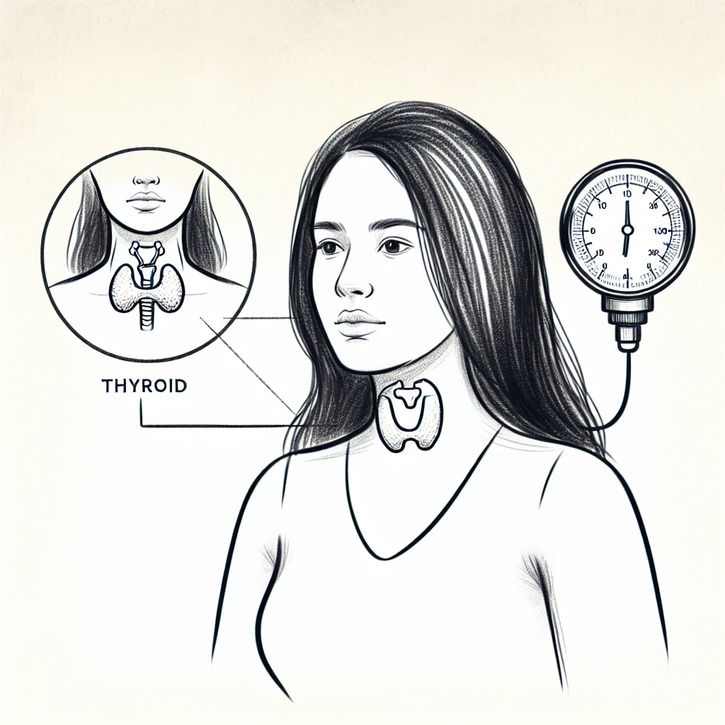
Think about your thyroid as a tiny powerhouse tucked at the base of your neck — it’s like the conductor of your body’s metabolic orchestra. And then there’s blood pressure, the driving force that helps deliver nutrients to every nook and cranny of your body. Together, these systems create a beautiful symphony of health when they work in harmony. We’ll look at why being proactive with regular check-ups matters and share insights that can help you catch potential issues early.
Nowadays, more people are curious about how their thyroid function might be linked to blood pressure changes. And really, that’s no surprise—ignoring even small imbalances can sometimes point to bigger underlying issues. This conversation is all about empowering you with the right knowledge to make smart, proactive choices when it comes to your health.
What Exactly Are Thyroid and Blood Pressure?
Let’s break it down. The thyroid is a small, butterfly-shaped gland tucked in your neck, responsible for churning out hormones that control your metabolism, energy, and overall growth. Its impact goes way beyond an energy boost—it’s essential for keeping everything in balance. Blood pressure, on the other hand, is all about the force of your blood pushing against your artery walls. We usually talk about two numbers: the systolic (when your heart beats) and the diastolic (when it rests). When we link “thyroid and blood pressure,” we’re looking at how hormonal shifts might affect how your blood circulates. Knowing these basics makes it a lot easier to grasp more complex health issues later on.
It’s good to remember that the hormones produced by your thyroid don’t just work in isolation. They have effects on your heart and blood vessels, too. Sometimes, a slight imbalance in your thyroid can signal bigger issues related to blood pressure. With this foundation under your belt, you’re in a better position to have informed chats with your doctor about your overall health.
Why the Buzz About Thyroid and Blood Pressure?
Over the past several decades, both the public and medical experts have become much more interested in hormone-related issues and cardiovascular health. And honestly? It makes a lot of sense. Research keeps showing us that even minor imbalances can have long-term impacts on our health. More and more professionals now recommend routine check-ups to catch these early signs. Isn’t it smart to be one step ahead of any serious problems?
In a world obsessed with quick fixes, taking the time to understand and care for both your endocrine and cardiovascular systems is crucial. Early interventions for issues in thyroid and blood pressure might just keep you from facing more serious conditions like heart disease or metabolic problems later on. Staying aware of the earliest signs of imbalance means you can take action before things get out of hand.
How Do These Systems Talk to Each Other?
Our bodies are marvelously interconnected. The thyroid releases hormones that ramp up your metabolism, and these changes can directly influence how your blood vessels manage the flow of blood. When the thyroid goes into overdrive or lags behind, it can throw off your cardiovascular system—affecting your heart rate, the firmness of your arteries, and even how your blood vessels react to stress. In short, a hiccup with your thyroid can send ripples through your blood pressure.
This is why it’s so important not to look at health issues in isolation. Many modern treatment approaches focus on the whole picture, helping control both thyroid and blood pressure issues together. For instance, addressing a thyroid imbalance might also help bring your blood pressure back to a more normal range. Paying attention to these interactions can really put you ahead in managing your overall well-being.
Peeling Back the Layers: Thyroid and Blood Pressure at Work
When you start to see how your thyroid messes with your blood pressure, the whole picture becomes quite intriguing. This small gland doesn’t just manage metabolism; it also influences how well your heart does its job. Changes in thyroid hormone levels might mean your heart is somehow overexerting itself or working too slowly. Ever wondered why you might have bouts of high blood pressure or, on the flip side, periods of unexpected low pressure? Your thyroid might have something to do with that.
Many experts have observed that even tiny disruptions in thyroid function can quietly trigger changes in blood pressure. For example, a spike in thyroid hormones might speed up your heartbeat, nudging your blood pressure upward. Conversely, a drop might do the opposite. This delicate balance means keeping an eye on both your endocrine and cardiovascular systems is essential if you want to stay on the healthier side of things.
The Thyroid’s Role in Metabolism and Your Heart
Often dubbed your body’s thermostat, the thyroid is crucial for setting your metabolic pace. Hormones like T4 and T3 control how quickly you burn calories and convert them into energy. If these hormones are out of whack, you might find yourself on a runaway metabolic roller coaster that strains your heart or, conversely, in a sluggish state that hampers heart function. It really is all about balance.
A lot of my patients have mentioned feeling inexplicably tired, noticing weight changes, or even feeling their heart beat in unusual rhythms—all signs that might be linked back to thyroid function. That’s why regular screenings and personalized treatment plans can make a real difference, ensuring your heart and metabolism stay in sync.
Blood Pressure 101: The Numbers that Matter
You’ve probably heard blood pressure explained in two numbers, right? The systolic number shows the force when your heart pushes blood out, while the diastolic number reflects the pressure between beats. Small deviations in these numbers can hint at something more serious, including issues stemming from your thyroid. It can seem a bit puzzling at first, but understanding these figures really equips you to navigate your health with confidence.
Keeping an eye on these readings through routine checks can sometimes be a lifesaver. Whether you notice a slight uptick in your systolic pressure or a small drop in your diastolic, these numbers help steer you and your doctor towards the best course of action. Taking the time to learn about what these readings mean is a smart way to take control of your health.
When the Balance Tips: The Impact of Imbalances
Imagine what happens when the harmony between your thyroid and blood pressure is thrown off. Even a small hormonal misstep can set off a chain reaction, affecting not just your heart but other body systems as well. High thyroid hormone levels might overstimulate your heart, pushing your blood pressure up, while low levels can decrease how effectively your heart pumps. The result? A host of symptoms like fatigue, discomfort, and an increased risk for long-term issues if we don’t catch it early.
It’s a reminder to pay attention to those subtle signals—unexpected weight swings, unexplainable exhaustion, or irregular heartbeats. These could be the body's way of telling you something’s off and that it’s time to consult with a professional. Early detection and intervention are absolutely key, allowing you to dodge more serious health concerns down the road.
Hormonal Ups and Downs: Stress on Your Heart
Hormonal imbalances, especially involving thyroid hormones, can really put your heart through a workout—sometimes too hard. Elevated levels can have your heart racing and your blood pressure climbing, while too few hormones might slow things down to a crawl. Both scenarios, over time, can stress your cardiovascular system relentlessly.
The body tries to adapt, but persistent strain can lead to lasting changes in how your heart and blood vessels function. That’s why a proactive approach to balancing your hormones isn’t just about feeling better now—it’s about protecting your heart in the long run. Early detection and treatment make all the difference.
The Domino Effect: From Thyroid to Blood Pressure
Ever dropped a pebble in a calm pond and watched the ripples spread out? That’s a bit like what happens when thyroid issues start to affect your blood pressure. For instance, a thyroid that’s more active than it should be might lead to sudden increases in blood pressure by making your heart beat harder. On the other hand, an underactive thyroid might result in a slower, even lower blood pressure reading. It’s all connected in a fascinating—and sometimes frustrating—way.
Often, people notice symptoms that seem completely unrelated until a closer look reveals that their thyroid might be the hidden culprit. Being aware of these links can help you and your healthcare team come up with a strategy that tackles the issue from all angles.
Inflammation: The Saboteur of Vascular Health
One sneaky factor tying thyroid issues to blood pressure problems is inflammation. When your thyroid hormones are off, they can stir up inflammatory responses throughout the body, which, in turn, affect your blood vessels. This can result in stiffened arteries and reduced elasticity, eventually nudging your blood pressure upward. It’s a reminder that sometimes, the issues we see on the surface are really just the tip of the iceberg.
Dealing with inflammation usually means a multi-pronged approach: think nutrition, regular exercise, and, if needed, the right medications. Research increasingly shows that adopting an anti-inflammatory lifestyle can give your cardiovascular health a much-needed boost. Sometimes all it takes is a few tweaks in your diet or a bit more mindfulness to keep your arteries—and your overall health—in great shape.
Spotting the Early Clues
Catching potential health issues early on can make a world of difference. Sometimes, subtle signs like unexplained weight changes, irregular heartbeats, or persistent fatigue can be your body’s way of waving a little red flag. Recognizing these early on means you can get professional help before a minor issue turns into something more serious.
Because the interplay between your thyroid and blood pressure is so intricate, it pays to be extra vigilant. Routine screenings and keeping an eye on bodily changes are part of a smart, proactive health strategy. Trust your gut and don’t ignore those early signals—after all, you only get one body!
Modern Ways to Diagnose Thyroid and Blood Pressure Problems
Today’s medical advances have made it easier than ever to get to the bottom of thyroid and blood pressure concerns. Routine blood tests, including measurements for TSH, T3, and T4, give a snapshot of thyroid activity, while regular blood pressure checks offer valuable insights into your heart’s condition. These diagnostic tools are now more accessible and accurate, making early detection a real possibility.
On top of basic tests, there are advanced imaging techniques and comprehensive blood tests that help create a detailed health profile. For anyone experiencing symptoms that might be tied to both thyroid and blood pressure issues, these modern diagnostic methods not only pinpoint the problem but also help track your progress over time.
The Nuts and Bolts of Standard Screenings
Generally speaking, your go-to screenings for thyroid and blood pressure health are simple yet incredibly informative. A few blood tests, like serum TSH, free T4, and sometimes free T3, give you insight into how well your thyroid is working. Meanwhile, routine blood pressure measurements at your doctor’s office can instantly flag if something’s off with your cardiovascular system. It’s like having an early-warning system built right into your health routine.
New Diagnostic Tools: A Game Changer
We’re living in an age where technology has transformed how we monitor our health. With tools like high-resolution ultrasounds and nuclear medicine scans, doctors can take a close look at your thyroid. Meanwhile, continuous or ambulatory blood pressure monitoring provides a more rounded picture of how your heart and vessels behave over a full day. These innovations mean that detecting even the slightest imbalances is becoming easier and more precise.

Maja Kowalczyk is a health enthusiast and has been interested in healthy and natural methods of regulating blood pressure for many years.
Popular products and offers

Cavemen had normal blood pressure (eat THIS)
There’s an easy way to restore your kidneys’ “signaling molecule” by using something called ‘Nectar of Gods’.

-
Sugar Defender