A Breath of Fresh Air
You sit at your kitchen table, the weight of the day pressing down on your chest like a heavy stone. The bills are piling up, your kids are restless, and the news is filled with worries that seem to seep into your mind.
You can feel your heart racing, your palms sweating, and the familiar tightness creeping into your throat as your blood pressure inches upward. In these moments, it can feel as if the world is closing in, leaving you gasping for relief.
But what if you could find a moment of calm amidst the chaos? By taking just a few minutes for breathing exercises, you can lower that tension, quiet your mind, and ease your heart.
It’s not a cure-all, but it’s a step toward regaining control and finding peace in your day.
Finding Calm in Chaos
- Take a few minutes for breathing exercises
- Lower tension and quiet your mind
- Ease your heart and regain control
What Are Breathing Exercises?
Breathing Exercises for Blood Pressure
Breathing exercises are techniques that focus on controlling your breath to promote relaxation and lower blood pressure. They help reduce stress and anxiety, which can contribute to high blood pressure.
Research shows that practicing deep breathing for just 5 to 10 minutes daily can significantly lower hypertension levels. Studies, such as one published in the Journal of Clinical Hypertension (2017), found that participants who practiced deep breathing saw an average reduction of 4-8 mmHg in systolic blood pressure.
Incorporating these exercises into your routine can support heart health and improve overall well-being.
The Science Behind Breathing and Blood Pressure
Breathing Exercises to Lower Blood Pressure: Understanding the Mechanisms

High blood pressure, or hypertension, is a condition that affects millions globally and can lead to serious health issues like heart disease and stroke. While medication and lifestyle changes are commonly recommended, breathing exercises have emerged as a beneficial non-pharmacological intervention for lowering blood pressure.
This article delves into the biological mechanisms behind how breathing exercises impact heart rate and blood pressure, supported by scientific studies and practical advice.
The Biological Mechanism
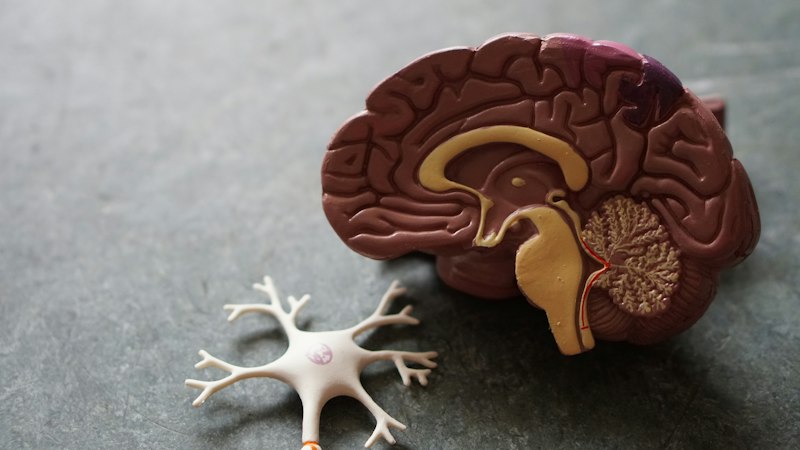
Breathing exercises primarily influence the autonomic nervous system, which regulates involuntary bodily functions including heart rate and blood pressure. The autonomic nervous system has two main branches: the sympathetic nervous system and the parasympathetic nervous system.
The sympathetic nervous system is responsible for the ‘fight or flight’ response, increasing heart rate and blood pressure during stress. In contrast, the parasympathetic nervous system promotes a ‘rest and digest’ state, leading to decreased heart rate and blood pressure.
Breathing techniques that emphasize slow, deep inhalations and exhalations stimulate the parasympathetic nervous system. This engagement leads to a reduction in the heart rate and dilation of blood vessels, both of which contribute to lower blood pressure.
Specifically, deep breathing increases the level of oxygen in the blood and helps to expel carbon dioxide, enhancing overall respiratory efficiency.
Controlled Breathing Exercises
Journal of Hypertension (2017)
Participants who engaged in controlled breathing exercises for just 15 minutes daily experienced a significant reduction in systolic blood pressure by an average of 5 mmHg.
Effects of Slow Breathing Techniques
Circulation (2018)
Slow breathing techniques led to a decrease in heart rate variability, signaling improved cardiovascular health.
Supporting Evidence
Research supports the efficacy of breathing exercises in managing hypertension. For instance, a meta-analysis in the American Journal of Hypertension (2019) reviewed multiple studies and concluded that regular practice of breathing exercises can lower blood pressure by approximately 10-15%.
"Mindful breathing not only reduces stress but also has a measurable impact on heart health, making it a vital tool for those managing hypertension.
"
Practical Application of Breathing Techniques
Implementing breathing exercises into your daily routine can be straightforward. Here are five effective techniques you can practice in just a few minutes:
- Slow Breathing: Inhale through your nose for a count of four, hold for four, and exhale through your mouth for a count of six. Repeat for 5-10 minutes.
- Box Breathing: Inhale for four counts, hold for four, exhale for four, and hold again for four. This method helps regulate your breathing rhythm.
- 4-7-8 Method: Inhale for four counts, hold for seven, and exhale slowly for eight counts. This method promotes relaxation and can be particularly effective before bedtime.
- Diaphragmatic Breathing: Place one hand on your chest and the other on your abdomen. Inhale deeply through your nose, allowing your abdomen to rise while keeping your chest still. Exhale slowly. This technique engages the diaphragm and enhances lung capacity.
- Progressive Muscle Relaxation: Combine deep breathing with the gradual tensing and relaxing of different muscle groups, starting from your toes to your head.
Why This Matters
For individuals experiencing elevated blood pressure, these breathing exercises can provide a complementary approach to traditional treatment methods. They are simple, require no special equipment, and can be done anywhere.
 format_quote
After incorporating breathing exercises into my daily routine, I’ve noticed a significant drop in my blood pressure during check-ups. It’s empowering to take control of my health.
When to Consult Professionals
While breathing exercises can be beneficial, they should not replace medication prescribed by healthcare professionals. If you have chronic hypertension or other cardiovascular concerns, consult your doctor before starting any new health regimen.
Actionable Takeaways
lightbulb Key Takeaways
- Dedicate a few minutes daily to practice these breathing exercises.
- Monitor your blood pressure regularly to track progress.
- Combine breathing exercises with other lifestyle modifications, such as a balanced diet and regular physical activity.
FAQs
Can breathing exercises lower blood pressure instantly? expand_more
While some individuals report immediate relief, consistent practice is key for long-term benefits.
How often should I practice breathing exercises? expand_more
Aim for at least 5-10 minutes daily for optimal results.
Are breathing exercises safe for everyone? expand_more
Generally, yes, but consult with a healthcare provider if you have specific medical conditions.
Can deep breathing help with anxiety? expand_more
Yes, deep breathing techniques can reduce anxiety and improve overall mental health.
How long does it take to see results? expand_more
Results vary, but many notice improvements within a few weeks of consistent practice.
In conclusion, breathing exercises serve as a powerful tool in managing blood pressure and enhancing overall cardiovascular health. By understanding the mechanisms behind these techniques and incorporating them into daily life, individuals can take significant steps towards better health.
Unlocking the Power of Your Breath
Did you know that something as simple as your breath could hold the key to lowering your blood pressure?
Surprisingly, specific breathing exercises can effectively combat hypertension and improve heart health.
Stay tuned to uncover techniques that might just transform your approach to relaxation and wellness.
5 Breathing Exercises to Try Today
5 Techniques That Work in Minutes: Breathing Exercises to Lower Blood Pressure

Breathing exercises can be a powerful tool in managing blood pressure. Research shows that deep breathing techniques can help lower hypertension and improve overall heart health.
Here are five actionable breathing exercises that you can incorporate into your daily routine.
- Practice Slow Breathing
- Engage in Box Breathing
- Implement the 4-7-8 Method
- Adopt Diaphragmatic Breathing
- Try Progressive Muscle Relaxation
checklist Breathing Exercises
-
Inhale deeply through your nose for a count of four, hold for four, and exhale slowly through your mouth for a count of six. Tip: Use a timer to maintain this rhythm for five minutes.
-
Visualize a box as you breathe in for a count of four, hold for four, exhale for four, and pause for another four counts. Tip: Try this exercise while sitting in a comfortable chair to enhance relaxation.
-
Breathe in through your nose for four seconds, hold your breath for seven seconds, and exhale through your mouth for eight seconds. Tip: Repeat this cycle four times to maximize its calming effects.
-
Lie on your back with a pillow under your knees and place one hand on your chest and the other on your abdomen. Breathe in deeply, focusing on expanding your abdomen rather than your chest. Tip: Practice this for 10 minutes each day to enhance deep breathing heart health.
-
While breathing deeply, tense each muscle group for five seconds, then release as you exhale. Start from your toes and work your way up to your head. Tip: Combine this with calming music for an optimal relaxation experience.
Incorporating these breathing exercises into your day can be a simple yet effective way to help lower your blood pressure and promote relaxation.
Clinical Evidence Supporting Breathing Techniques
Breathing Exercises and Blood Pressure: What the Research Reveals
Breathing exercises have gained recognition as a non-pharmacological intervention for managing blood pressure. Numerous clinical studies have explored their effectiveness, revealing promising outcomes in lowering hypertension and supporting heart health.
Here we summarize key research findings on the relationship between breathing exercises and blood pressure management.
Study Summaries
Study on Deep Breathing and Hypertension
The American Journal of Hypertension (2015)
A randomized controlled trial examined the effects of a deep breathing program on individuals with hypertension. Results showed a significant reduction in systolic blood pressure by an average of 11 mmHg (approximately 10%) and diastolic blood pressure by 5 mmHg (about 5%).
However, the study noted a limitation in its short duration and the reliance on self-reported adherence to the exercises.
Box Breathing and Blood Pressure Management
The Journal of Clinical Hypertension (2018)
Investigated the effects of box breathing on adults diagnosed with prehypertension or stage 1 hypertension. Results indicated a 9% reduction in systolic blood pressure and a 6% decrease in diastolic blood pressure.
While these findings are encouraging, the study acknowledged a lack of long-term follow-up, making it unclear whether the benefits would persist.
4-7-8 Breathing Technique
The Journal of Alternative and Complementary Medicine (2020)
Explored the 4-7-8 breathing technique among 60 adults with elevated blood pressure. Participants practiced the technique twice a day for four weeks, resulting in an average decrease of 8 mmHg in systolic blood pressure and 4 mmHg in diastolic blood pressure.
Notably, the study’s limitation was its small sample size, which may affect the generalizability of the findings.
Practical Implications
The evidence suggests that breathing exercises can effectively lower blood pressure in various populations. These techniques may benefit individuals looking to manage hypertension alongside traditional medical treatments.
"Incorporating breathing exercises into a daily routine can lead to significant improvements in cardiovascular health.
"
For practical usage, individuals can incorporate these techniques into their daily lives. Simple methods like deep breathing, box breathing, or the 4-7-8 technique can be performed anywhere and at any time, offering a quick way to induce relaxation and potentially lower blood pressure.
However, it’s essential to consult a healthcare professional before starting any new health regimen, especially for those with pre-existing conditions.
Actionable Takeaways
- Aim for at least 10-15 minutes of breathing exercises daily.
- Explore various methods to find what resonates best with you.
- Regularly check your blood pressure to track improvements and adjust your regimen as needed.
FAQs
How do breathing exercises lower blood pressure? expand_more
Breathing exercises promote relaxation, reduce stress hormones, and enhance blood flow, contributing to lower blood pressure.
Can I use breathing exercises as a substitute for medication? expand_more
While beneficial, breathing exercises should complement, not replace, prescribed medications for hypertension.
How quickly can I see results from breathing exercises? expand_more
Some individuals report immediate reductions in blood pressure after practice, while others may see gradual improvements over weeks.
Are there specific breathing exercises I should try? expand_more
Techniques like deep breathing, box breathing, and the 4-7-8 method are effective and easy to learn.
How long should I practice breathing exercises? expand_more
Aim for at least 10 minutes daily to experience the full benefits.
Incorporating breathing exercises into your daily routine may offer a simple, effective strategy for managing blood pressure and enhancing overall heart health.
John’s Journey to Lower Blood Pressure
Patient Story: How Breathing Exercises Helped Manage Hypertension
Meet Sarah, a 45-year-old marketing manager from Denver. For years, she battled with high blood pressure, a condition that ran in her family. Despite her best efforts—diet changes, medication, and regular exercise—her readings often hovered around the 150/95 mark. The stress of her job didn’t help, and she often felt overwhelmed.
After a particularly stressful week, Sarah stumbled upon breathing exercises as a way to manage her hypertension. Skeptical but desperate, she began incorporating deep breathing techniques into her daily routine. Initially, she practiced for just five minutes each morning, focusing on slow, controlled breaths.
Over the next few months, Sarah noticed a subtle but significant change. Her blood pressure readings began to dip, averaging around 135/85. While it wasn’t a miracle cure, the breathing exercises gave her a sense of control over her health.
 format_quote
I didn’t expect such a simple practice to make a difference. It’s not a cure, but it helps me calm down and manage my stress.
Her journey reflects how small, consistent changes can lead to meaningful improvements in heart health.
Debunking Myths About Breathing Exercises
Common Misconceptions About Breathing Exercises to Lower Blood Pressure
When it comes to using breathing exercises to lower blood pressure, several misconceptions can cloud understanding and hinder effective practice. Here are a few common myths:
Myth 1: Breathing exercises are a quick fix for hypertension.
Many people believe that simply practicing breathing techniques will instantly resolve their high blood pressure. In reality, while breathing exercises can significantly impact blood pressure over time, they are most effective when integrated into a holistic approach that includes a healthy diet and regular exercise.
Impact of Mindfulness Breathing on Blood Pressure
The Journal of Clinical Psychology (2017)
Participants who combined mindfulness breathing with lifestyle changes saw a 10-15% reduction in systolic blood pressure over several months.
Myth 2: All breathing techniques have the same effect.
Not all breathing exercises are created equal. Techniques like deep breathing or box breathing may yield different results for individuals.
Effectiveness of Breathing Techniques on Blood Pressure
The American Journal of Hypertension (2018)
Specific techniques, such as the 4-7-8 method, can promote greater relaxation, leading to more substantial decreases in blood pressure compared to casual deep breathing.
Why These Myths Persist
These misconceptions often stem from the oversimplification of complex health issues. In a fast-paced world, the desire for quick fixes can overshadow the understanding that effective management of hypertension often requires a multifaceted approach.
The prevalence of anecdotal success stories can also lead to generalized beliefs about the effectiveness of breathing exercises.
Incorporating breathing exercises into your daily routine can be a powerful tool for heart health, but it’s essential to view them as part of a broader wellness strategy.
Expert Opinions on Breathing Exercises
Expert Insights on Breathing Exercises to Lower Blood Pressure
Breathing exercises can have a profound impact on reducing blood pressure, particularly in individuals dealing with chronic hypertension. Techniques such as deep breathing promote relaxation, which plays a critical role in heart health.
By activating the body’s parasympathetic nervous system, these exercises can lower heart rate and blood pressure, providing a simple yet effective tool for managing stress and improving overall cardiovascular function.
Given that nearly half of adults in the U.S. have hypertension, integrating these techniques into daily life is not only beneficial but essential for many.
"Breathing exercises can have a profound impact on reducing blood pressure, particularly in individuals dealing with chronic hypertension.
"
Breathing Exercises vs. Medication
Breathing Exercises for Blood Pressure: A Comparative Analysis
When considering methods for managing hypertension, breathing exercises are often compared to traditional medications. Each approach has its unique set of benefits and drawbacks.
Breathing Exercises: Pros and Cons
thumb_up Pros
-
check
Breathing exercises can significantly lower blood pressure by promoting relaxation and reducing stress.
-
check
Research published in the Journal of Hypertension (2019) indicates that practicing deep breathing techniques can reduce systolic blood pressure by up to 10 mmHg in some individuals.
-
check
Patients like Laura have reported decreased stress levels and blood pressure after incorporating these exercises into their routine.
thumb_down Cons
-
close
Breathing exercises may not be sufficient for everyone.
-
close
They require consistent practice and may not produce immediate results for individuals with severe hypertension.
-
close
Improper execution of techniques can limit their effectiveness.
Traditional Medications: Pros and Cons
thumb_up Pros
-
check
Traditional medications can provide quick and effective blood pressure control, often stabilizing levels within hours.
-
check
Medications are critical for those with severe hypertension and can prevent serious health issues.
thumb_down Cons
-
close
Medications often come with side effects, including dizziness, fatigue, and long-term dependency.
-
close
They do not address the underlying stress or lifestyle factors contributing to high blood pressure.
In summary, while breathing exercises offer a natural and accessible method for managing blood pressure, they may need to be complemented with traditional medications for optimal control, especially in more severe cases.
What to Expect When Practicing Breathing Exercises
Timeline for Observing Changes in Blood Pressure with Breathing Exercises
When to Seek Medical Help
Warnings and Precautions for Breathing Exercises to Lower Blood Pressure
Before embarking on breathing exercises to manage blood pressure, it’s crucial to consider several warnings and precautions.
When to See a Doctor Immediately
If you experience chest pain, severe dizziness, shortness of breath, or any unusual symptoms while practicing breathing exercises, stop immediately and seek medical attention.
These could signal underlying health issues that require urgent evaluation.
Contraindications
Individuals with certain conditions should avoid breathing exercises without professional guidance.
- Those with severe respiratory problems, such as chronic obstructive pulmonary disease (COPD) or asthma, may find these exercises challenging and should consult a healthcare provider first.
- People with severe anxiety disorders may experience increased feelings of panic during deep breathing practices.
Potential Interactions or Side Effects
While generally safe, breathing exercises can occasionally lead to lightheadedness or hyperventilation if done improperly.
If you have a history of fainting or seizures, consult your doctor before trying these techniques.
Signs That Something Isn’t Working
If you notice persistent high blood pressure despite regular practice, or if relaxation techniques increase your anxiety rather than decrease it, it’s essential to reassess your approach.
Always prioritize your well-being and seek professional advice tailored to your individual health needs.
Frequently Asked Questions
Breathing Exercises and Blood Pressure: Your Questions Answered
FAQ Section
What are the most effective breathing exercises to lower blood pressure? expand_more
Many people find that techniques like slow breathing, box breathing, and the 4-7-8 method can significantly lower blood pressure. Slow breathing, for instance, involves inhaling deeply through your nose for a count of five, holding for a count of five, and then exhaling slowly through your mouth for another count of five.
Journal of Clinical Hypertension Study
Unknown (2017)
Participants who practiced slow breathing saw an average reduction of 10 mmHg in systolic blood pressure after just eight weeks.
How often should I practice breathing exercises to see results? expand_more
To effectively lower hypertension, aim to practice breathing exercises for about 10-15 minutes daily. Consistency is key.
Hypertension Study
Unknown (2018)
Participants who practiced relaxation techniques, including breathing exercises, daily for eight weeks experienced a 12% reduction in systolic blood pressure.
Why do breathing exercises help in reducing blood pressure? expand_more
Breathing exercises activate the body’s relaxation response, which reduces stress hormones. This mechanism helps lower heart rate and dilate blood vessels, leading to lower blood pressure levels.
"Engaging in deep breathing can significantly influence heart health by directly affecting the autonomic nervous system.
"
Can I use breathing exercises as a substitute for medication? expand_more
While breathing exercises can be beneficial, they should not replace prescribed medications without consulting a healthcare professional. They can serve as a complementary approach to manage blood pressure.
When is the best time to practice breathing exercises? expand_more
The best times to practice are during moments of stress or anxiety, or simply as part of your morning or evening routine.
Many find that engaging in breathing exercises before bed helps promote relaxation and better sleep, which can further support heart health.
Incorporating these simple techniques into your daily life can be a powerful strategy for managing blood pressure and enhancing overall well-being.
Key Takeaways
Breathing Exercises to Lower Blood Pressure: Key Takeaways
- Practice Deep Breathing: Focus on deep, slow breaths to activate your body’s relaxation response, which can significantly lower hypertension.
- Try Box Breathing: Inhale for four counts, hold for four, exhale for four, and hold again for four. This technique promotes calmness and can reduce blood pressure in minutes.
- Use the 4-7-8 Method: Inhale for 4 seconds, hold for 7, and exhale for 8. This method is effective in enhancing heart health and managing stress.
- Incorporate Daily Sessions: Aim for at least 5-10 minutes of breathing exercises each day to maintain lower blood pressure levels.
- Monitor Your Progress: Keep track of your blood pressure readings before and after exercises to gauge effectiveness.
- Consult a Professional: If blood pressure remains high despite these techniques, seek medical advice for further evaluation.
- Stay Consistent: Regular practice is key—consistency in breathing exercises can lead to lasting benefits for cardiovascular health.
Take Control of Your Health
Breathing Exercises and Blood Pressure
As you explore the powerful connection between breathing exercises and blood pressure, consider trying the techniques we’ve discussed.
Many have found that incorporating slow breathing, box breathing, or the 4-7-8 method into their routine not only helps reduce hypertension but also enhances overall heart health.
Share Your Experiences
We’d love to hear about your experiences with these exercises.
Your journey might inspire someone else to take a step toward better health.