



The #1 Rated Blood Sugar Formula
Navigating Life’s Stress: Insights into Anxiety Blood Pressure Readings
Getting to Know Anxiety Blood Pressure Readings
So, What Exactly Are Anxiety Blood Pressure Readings?
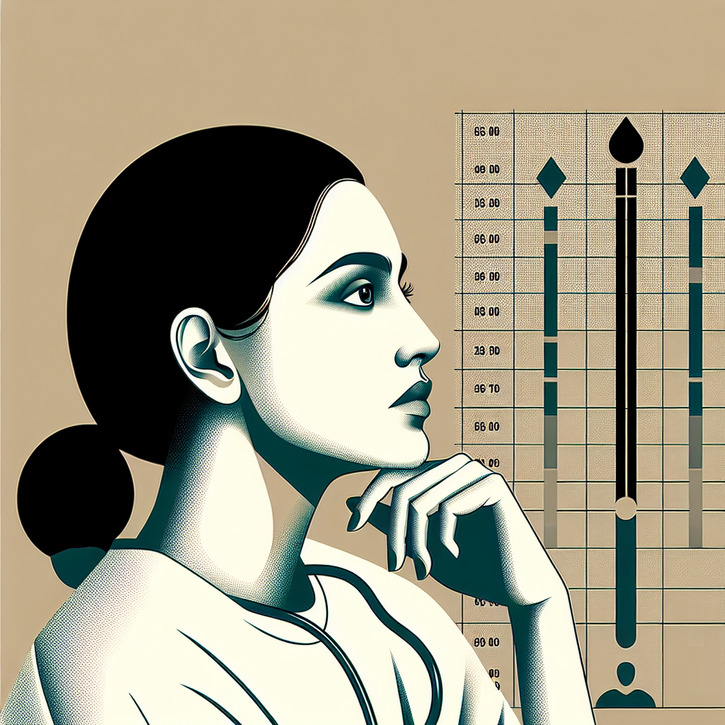
Picture this: you're having one of those days where stress seems to be in every corner of your life. During these moments, your blood pressure can actually spike, and that's what we mean by anxiety blood pressure readings. It's not about a single number—it's more like a snapshot of how your heart and blood vessels respond to heightened anxiety. When stress hits, your body pumps out hormones that make your heart work a little overtime and temporarily narrow your blood vessels. That's why paying attention to these readings is useful, especially if anxiety is a regular visitor in your life.
How Does Stress Change Blood Pressure?
Ever wonder why you feel your heart race during a tense moment? That’s your body’s natural "fight or flight" response kicking in. When something stressful happens, hormones like cortisol and adrenaline get released, which in turn boost your heart rate and blood pressure. So, it’s no surprise that during bouts of anxiety, your readings may be a bit higher than usual. The good news? These spikes are usually temporary. Understanding this dynamic can help you figure out when it's time to chill and maybe even seek support in managing stress.
Why Should We Keep an Eye on These Readings?
Think of monitoring your blood pressure during stressful times as a proactive health check. Noticing patterns over time can clue you in on when a lifestyle tweak or professional advice might be needed. Whether you’re juggling a high-powered career or just trying to keep your overall well-being in check, keeping tabs on these changes can serve as an early warning system. It’s all about empowering yourself to take action before things potentially escalate.
Uncovering the Signs of Anxiety-Induced Blood Pressure Changes
Noticing the Clues—Both Body and Mind
Sometimes your body sends you little hints when stress takes over. That pounding heart, the sudden rush of sweat, or even that light-headed feeling might all be signs that your blood pressure is reacting to anxiety. And let’s not forget the emotional side—feelings of unease or a strong urge to flee from a situation can also coincide with these physical signals. While these signs might seem alarming at first, they're often normal responses to everyday stress. Paying attention to these signals can help you manage your anxiety in the moment and prevent those fleeting spikes from snowballing into something more serious.
How Does Anxiety Really Affect Blood Pressure?
Anxiety plays a pretty influential role in how our blood pressure behaves. When we get anxious, our body goes through a cascade of reactions—hormones surge, and the heart and blood vessels respond accordingly. This means that even if your baseline cardiovascular health is in tip-top shape, anxiety can still cause temporary, noticeable fluctuations. The trick is to learn how to tell the difference between a harmless spike and something that might need a little extra attention. Understanding these changes helps you make informed choices about managing both anxiety and overall cardiovascular health.
What Factors Bring About Changes in Anxiety Blood Pressure Readings?
Lifestyle Choices: Your Daily Habits Matter
Believe it or not, the way you live your life has a big say in your anxiety blood pressure readings. Simple habits—like staying active, eating well, and getting enough sleep—can keep stress at bay. On the flip side, a lifestyle full of poor sleep, constant stress, and unhealthy eating can make those pressure readings bounce around more than you'd like. Even aspects of your day-to-day routine—like your work environment or social life—can tip the scales. Tweaking your lifestyle not only makes you feel better but also helps keep blood pressure more consistent. It’s one of those cases where small changes can pay big dividends.
When Medical Conditions Come Into the Picture
If you have an underlying condition—say, diabetes or a heart problem—your body might be more susceptible to the effects of stress. This can make your anxiety-related blood pressure readings even more unpredictable. Recognizing the influence of these chronic conditions is key. In many cases, a personalized treatment plan that addresses both the medical issue and your anxiety levels can work wonders for your overall health. Being aware of these factors means you can get the right advice from your doctor and take a more balanced approach to managing your health.
How Your Environment Shapes Your Readings
We often overlook the little things in our surroundings that can affect our health. For instance, loud noises, poor air quality, or even an uncomfortable room temperature might raise your stress levels and, with them, your blood pressure. On the other hand, a peaceful room with soft lighting and maybe a bit of greenery can help soothe your nerves. Recognizing these environmental cues gives you the chance to make meaningful changes—like creating a calming home workspace or taking a break outside. It's pretty amazing how much a small shift in your surroundings can help manage stress.
Genetics and Personal Differences
Ever noticed how some people seem to handle stress like a champ while others get rattled easily? Genetics might be part of the answer. Our inherited traits can influence how our bodies react to anxiety, meaning that two people could experience pretty different blood pressure responses under similar circumstances. So, while it’s interesting to compare notes, what really matters is finding the stress management approach that works best for you.
Practical Ways to Manage Your Anxiety Blood Pressure Readings
Home Monitoring: Tips and Techniques
Keeping track of your blood pressure at home is easier than you might think. Many folks now use digital monitors that quickly show their levels, even during stressful moments. A neat trick is to keep a daily log where you jot down your readings along with notes about your stress, meals, and activities. Over time, this simple habit can help you spot patterns and even predict what might trigger a spike. It’s like having a personal health diary that helps you stay on top of your well-being.
What to Expect from Professional Readings
Sure, home monitoring is super useful, but there’s also value in getting your blood pressure checked by a professional. In a clinical setting, doctors use calibrated equipment to offer a more detailed picture of your cardiovascular health—especially when stress factors are in play. These readings, along with other diagnostic tests, help professionals piece together a comprehensive view of your condition. So while your home readings give you day-to-day insights, regular check-ups ensure you’re not missing anything important.
The Importance of Checking Your Readings on Time
Timing can be everything. Keeping an eye on your blood pressure at just the right moments—like right after a stressful event—can provide valuable snapshots of how your body is coping. These timely readings let you build a more complete picture over days, weeks, and even months. And trust me, those snapshots can be very helpful in catching significant changes early enough to adjust your stress management strategies.
Treatment and Coping Strategies for Those Blood Pressure Ups and Downs
Medical Ways to Keep Your Readings in Check
On the medical front, doctors might offer personalized plans to help balance out your blood pressure during anxious moments. This could range from lifestyle tweaks to medication. For some, beta-blockers or similar medicines work wonders in keeping that stress response from sending your numbers on a rollercoaster ride. The key here is staying in close communication with your healthcare provider. That way, any changes in your readings can be addressed quickly, laying the groundwork for long-term cardiovascular health.
Behavioral Tactics for a Calmer Mind—and Body
Beyond medications, there are plenty of behavioral strategies to help manage anxiety and, by extension, your blood pressure. Ever tried mindfulness or deep-breathing exercises? These simple practices can really work to ease the physical effects of stress. Whether it's setting aside a few minutes for meditation or just taking a walk to clear your head, these habits can make a big difference. Plus, integrating regular breaks and positive social interactions into your day can help keep both your mind and body in a more balanced state.
Exploring Integrative Therapies
Why not combine a bit of modern medicine with some alternative therapies? Many people find that approaches like yoga, acupuncture, or even aromatherapy help smooth out the spikes in blood pressure caused by anxiety. These integrative therapies are often used alongside conventional treatments, providing a well-rounded way to stay calm and steady. In some cases, this blend of techniques can make a noticeable difference in your overall wellbeing, offering a holistic way to tackle stress.
Lifestyle Tweaks to Keep Your Blood Pressure Balanced
A Holistic Look at Diet, Exercise, and Relaxation
At the end of the day, a balanced lifestyle is your best friend. Eating a diet full of fresh fruits, veggies, and lean proteins not only supports your heart but also helps keep your mood on an even keel. Regular exercise—whether it’s a brisk walk, a bike ride, or a yoga session—releases endorphins that naturally lower stress levels. And don't underestimate the power of relaxation techniques like meditation. Combining all these habits can create a natural buffer against those stress-induced blood pressure spikes. Trust me, sometimes small daily tweaks can lead to big long-term benefits.
Everyday Habits to Keep Tabs on and Lower Anxiety-Related Readings
Sometimes, simple daily practices make all the difference. Starting or ending your day with a bit of mindfulness can set the pace for more relaxed readings. Keeping a journal where you note your mood and your blood pressure score can uncover hidden patterns, helping you see what really triggers those spikes. Even a short morning walk or dedicating time to a hobby can serve as a great counterbalance to modern-day stress. It’s proof that self-care doesn’t have to be complicated—a few thoughtful touches each day can foster a more balanced life, both mentally and physically.
Wrapping Up: Managing Stress and Its Impact on Blood Pressure
Key Insights for Taking Control of Your Readings
Managing the ups and downs in your anxiety blood pressure readings does require a balanced approach. By keeping track, seeking professional help when needed, and making mindful lifestyle choices, you can empower yourself to handle stress more effectively. Remember, what works for someone else might not work for you—it's all about discovering your own path to well-being. With consistency and a proactive attitude, understanding how anxiety impacts your blood pressure can become the cornerstone of a healthier, more resilient life.
What the Future Holds for Research in This Field
Looking ahead, research is poised to shed even more light on the nuances of anxiety and blood pressure. Scientists are exploring new, less invasive ways to monitor these changes in real-time, which could eventually pave the way for more targeted treatments. By combining insights from psychology, cardiology, and even environmental studies, future breakthroughs may offer us even better ways to predict and manage stress-induced fluctuations. It’s an exciting time, as evolving research continues to open doors for improved health strategies, ultimately guiding us toward a more balanced life.

Maja Kowalczyk is a health enthusiast and has been interested in healthy and natural methods of regulating blood pressure for many years.
Popular products and offers

Cavemen had normal blood pressure (eat THIS)
There’s an easy way to restore your kidneys’ “signaling molecule” by using something called ‘Nectar of Gods’.

-
Sugar Defender