A Day in the Life: The Hidden Battle Against Sodium
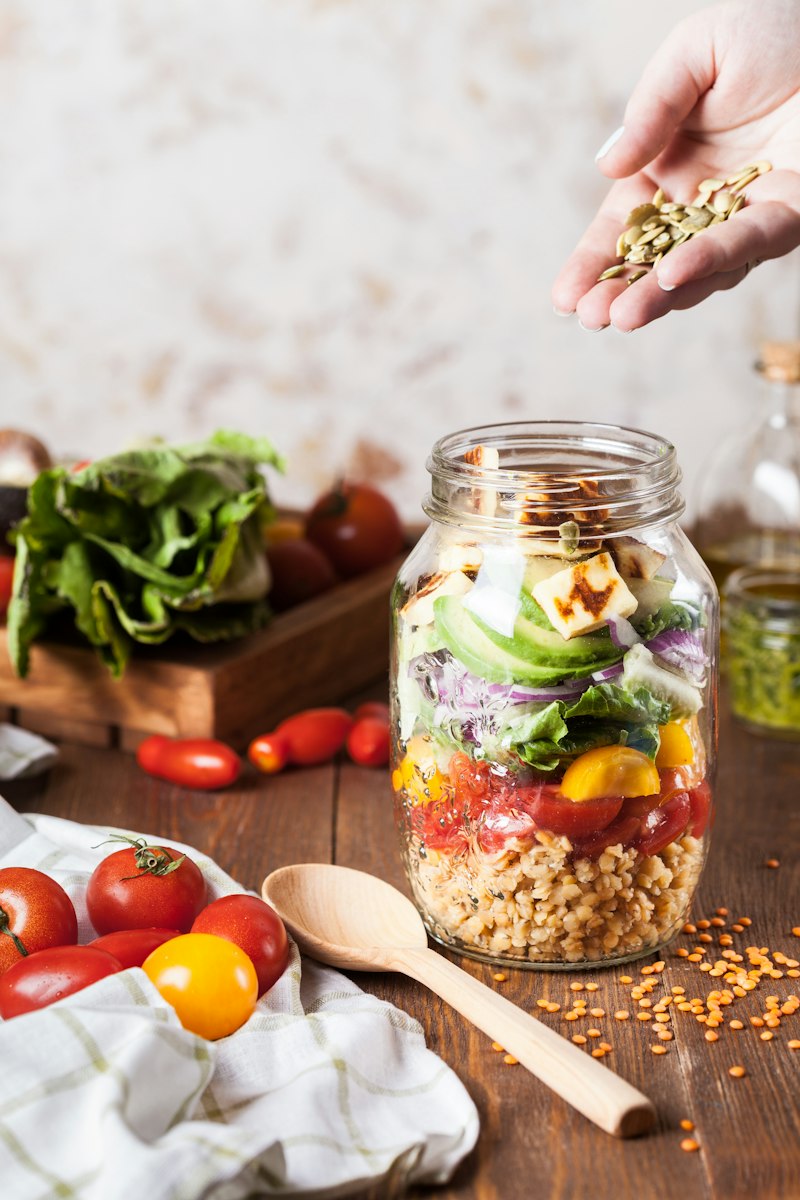
You sit down for dinner, feeling proud of the colorful salad you’ve prepared. You’ve chosen fresh greens, ripe tomatoes, and a drizzle of olive oil, convinced you’re making a healthy choice.
But as you savor each bite, a nagging worry creeps in. You remember your recent doctor visit, where you learned about your rising blood pressure. What you didn’t realize is that the seemingly innocent canned beans you added are packed with hidden sodium, silently working against your health goals.
It’s disheartening to feel like you’re fighting a battle without even knowing the enemy. But you’re not alone in this struggle. Many face the same challenges, and with small changes, there’s a path to better heart health waiting for you.
What Foods Are Surprisingly High in Sodium?
Hidden Sodium in Healthy Foods
Hidden sodium can lurk in foods often deemed healthy. Common high-sodium foods to watch out for include canned soups, deli meats, pickles, and certain salad dressings.
Even whole grain bread can contain significant salt, with some brands offering up to 200 mg per slice.
To manage blood pressure effectively, aim for a daily sodium intake of less than 2,300 mg, as recommended by the American Heart Association.
lightbulb Tip for Better Health
Reducing these hidden sodium foods can help you maintain better cardiovascular health.
Understanding Sodium’s Role in the Body
Hidden Sodium: Surprising High-Salt Foods
When we think of sodium, it’s easy to picture salt shakers or processed snacks, but hidden sodium foods can significantly impact our health. Understanding the role of sodium in our bodies and its effects on blood pressure is crucial for anyone looking to maintain cardiovascular health.
The Biological Role of Sodium
Sodium is an essential mineral that plays a vital role in various bodily functions. It helps maintain fluid balance, supports nerve transmission, and aids muscle contraction. When you consume sodium, it dissolves in your body’s fluids, helping to regulate blood volume and pressure.
Specifically, sodium helps control the amount of water in your bloodstream. This balance is critical; too much sodium can lead to excess water retention, increasing blood volume and, consequently, blood pressure.
The kidneys are responsible for filtering excess sodium from the blood. When sodium levels are high, the kidneys may struggle to excrete it effectively, leading to elevated blood pressure—a condition known as hypertension (He et al., 2013, Circulation).
Hypertension is a significant risk factor for cardiovascular diseases and stroke, making it essential to monitor sodium intake carefully.
Hidden Sodium Foods: The Surprising Culprits
Many high-salt foods are commonly acknowledged, such as chips and canned soups, but hidden sodium can lurk in unexpected places.
- Bread and Baked Goods: A single slice of bread can contain up to 230 mg of sodium, adding up quickly if you’re having a sandwich (Cleveland Clinic, 2020).
- Sauces and Condiments: Ketchup, soy sauce, and salad dressings can hide large amounts of sodium. Just one tablespoon of soy sauce can deliver over 900 mg of sodium.
- Processed Meats: Deli meats and sausages can be loaded with sodium for preservation and flavor. A typical serving can contain over 500 mg of sodium.
Recognizing these foods as hidden sodium sources is crucial for those aiming to reduce their sodium intake for better blood pressure management.
Why This Matters for You
Understanding hidden sodium foods is vital for anyone concerned about their blood pressure. An estimated 1 in 3 adults in the U.S. has high blood pressure (CDC, 2021), and reducing sodium intake can be a straightforward way to lower it.
The American Heart Association recommends limiting sodium intake to less than 2,300 mg per day, ideally aiming for 1,500 mg (AHA, 2021). Making small changes can have a significant impact.
For example, switching from regular soy sauce to a low-sodium version can cut your intake by 600 mg per tablespoon.
Practical Tips for Reducing Sodium Intake
checklist Tips to Reduce Sodium Intake
-
Read Labels Tip: Always check nutrition labels for sodium content. Aim for foods with less than 140 mg of sodium per serving.
-
Opt for Fresh Tip: Fresh fruits and vegetables are naturally low in sodium. Try incorporating more whole foods into your diet.
-
Spice It Up Tip: Use herbs and spices instead of salt for flavoring your meals.
-
Meal Prep Tip: Preparing meals at home allows you to control the ingredients and monitor sodium levels effectively.
When to Consult Professionals
If you’re struggling to manage your blood pressure or have specific dietary concerns, it may be beneficial to consult a healthcare professional. They can provide personalized advice and support tailored to your needs.
Actionable Takeaways
lightbulb Key Takeaways
- Be mindful of hidden sodium in foods you consume regularly.
- Read labels to make informed choices.
- Use creative cooking methods to enhance flavor without relying on salt.
FAQ Section
What are the daily recommended sodium limits? expand_more
The American Heart Association recommends limiting sodium intake to less than 2,300 mg per day, ideally aiming for 1,500 mg.
How can I identify hidden sodium in foods? expand_more
Always check nutrition labels and ingredient lists for sodium content, and be cautious of sauces and processed foods.
What are some sodium alternatives for cooking? expand_more
Consider using fresh herbs, spices, vinegar, or citrus juice to add flavor without sodium.
How does sodium affect blood pressure? expand_more
Excess sodium can lead to fluid retention, increasing blood volume and consequently raising blood pressure.
Can I still enjoy salty foods? expand_more
Moderation is key. You can enjoy salty foods occasionally, but be sure to balance them with lower-sodium options in your diet.
In conclusion, being aware of hidden sodium foods is a crucial step toward better blood pressure management and overall cardiovascular health. By making informed dietary choices, you can take control of your sodium intake and make significant strides in your health journey.
The Stats on Sodium Intake and Health Risks
Hidden Sodium: Surprising High-Salt Foods
When we think about high-salt foods, we often imagine processed snacks or fast food, but many everyday items contain hidden sodium that can significantly impact cardiovascular health.
Research highlights the prevalence of these “hidden sodium foods,” revealing the need for greater awareness among consumers.
Sodium Content in Packaged Foods
Santos et al. (2013)
A study published in the American Journal of Clinical Nutrition explored the sodium content in various food items. Researchers analyzed over 1,000 food products and found that 77% of packaged foods exceeded recommended sodium levels.
Certain condiments and sauces contained sodium levels exceeding daily limits by 20%. This research underscored that even foods labeled as ‘healthy’ could be culprits in contributing to high sodium intake.
Sodium Intake and Blood Pressure
He et al. (2016)
Another pivotal study examined the relationship between sodium intake and blood pressure across a diverse population of over 4,000 adults, indicating that individuals consuming over 2,300 mg of sodium daily had a 30% higher risk of developing hypertension.
However, it’s essential to recognize the limitations of these studies. While they provide valuable insights, they often rely on self-reported dietary habits, which can introduce biases.
Additionally, the composition of diets varies widely, meaning that the impact of hidden sodium can differ significantly among individuals.
Practically speaking, these findings suggest that consumers should be vigilant about their sodium intake. Reading labels is crucial, as many foods, including breads, cheeses, and even certain breakfast cereals, can harbor surprising amounts of salt.
"People often overlook sodium in foods they consider healthy.
"
For those looking to reduce their sodium intake, incorporating low sodium diet tips such as opting for fresh ingredients and using herbs and spices for flavor can be highly beneficial.
It’s also advisable to consult with healthcare professionals, especially for individuals with existing cardiovascular issues or high blood pressure.
In summary, awareness of hidden sodium foods is essential for maintaining optimal blood pressure and cardiovascular health.
By making informed choices and reading labels meticulously, individuals can significantly lower their sodium intake and enhance their overall well-being.
FAQs
What foods are considered hidden sources of sodium? expand_more
Many everyday foods like bread, sauces, and canned vegetables can be high in sodium.
How much sodium should I aim to consume daily? expand_more
The American Heart Association recommends a limit of no more than 2,300 mg per day, ideally aiming for 1,500 mg.
Can I still eat processed foods? expand_more
Yes, but it’s crucial to read labels and choose low-sodium options.
What are some low sodium diet tips? expand_more
Focus on fresh fruits and vegetables, use herbs for seasoning, and limit processed foods.
How does sodium affect blood pressure? expand_more
High sodium intake can lead to fluid retention, which increases blood pressure.
Is it possible to reverse hypertension with diet? expand_more
Yes, a low sodium diet can help lower blood pressure and improve heart health.
When should I consult a healthcare professional? expand_more
If you have high blood pressure or other cardiovascular issues, it’s advisable to seek guidance from a doctor or nutritionist.
Are there any health benefits to reducing sodium intake? expand_more
Yes, reducing sodium can lower the risk of hypertension, heart disease, and stroke.
The Real Culprits: Are Your Favorite Snacks High in Sodium?
Think you know which foods to avoid if you’re watching your sodium intake? Prepare to be surprised!
Uncover the hidden sodium lurking in everyday snacks that could be sabotaging your blood pressure.
Your favorite treats may not be as harmless as you think.
How to Reduce Sodium in Your Diet: A Practical Checklist
Complete Guide to Reducing Salt Intake

Lowering your sodium intake is crucial for maintaining healthy blood pressure and overall cardiovascular health. Hidden sodium foods can be surprisingly high in salt, often derailing your efforts without you even realizing it.
Here’s a practical checklist to help you identify and reduce these hidden sources of sodium in your diet.
Actionable Steps to Lower Sodium Intake
- Read Labels: Check the nutrition labels on packaged foods to identify hidden sodium. Aim for products with less than 140 mg of sodium per serving.
- Choose Fresh: Opt for fresh or frozen fruits and vegetables instead of canned versions, which often contain added salt. Fresh produce is naturally low in sodium.
- Swap Condiments: Replace high-sodium condiments like soy sauce and ketchup with low-sodium versions or alternatives like vinegar or fresh herbs for flavor.
- Avoid Processed Meats: Stay away from deli meats, bacon, and hot dogs, which are often loaded with sodium. Choose fresh, unprocessed meats instead.
- Limit Snack Foods: Cut back on chips, pretzels, and other processed snacks. Instead, snack on unsalted nuts or fresh fruit.
- Prepare Meals at Home: Cook at home more often to control the ingredients and sodium content. Use herbs and spices to flavor meals instead of salt.
- Watch Out for Bread: Be mindful of bread and bakery products, which can contain hidden sodium. Look for low-sodium bread options or make your own.
- Stay Hydrated: Drink plenty of water to help your body manage sodium levels. Staying hydrated can also help mitigate the effects of high sodium intake.
By being proactive and mindful of your food choices, you can effectively lower your sodium intake and support your cardiovascular health.
John’s Journey: From High Sodium to Heart Health
Hidden Sodium: Susan’s Journey to a Healthier Heart
Meet Susan, a 52-year-old marketing manager from Denver, Colorado. After a routine check-up revealed that her blood pressure was creeping toward the high range, she knew she needed to make some changes.
Despite being relatively active and mindful of her diet, Susan had no idea how much hidden sodium was lurking in her favorite foods. Initially, she tried cutting out obvious high-salt foods, like chips and processed meats, but her blood pressure remained stubbornly elevated.
Frustrated, she began researching hidden sodium foods and was surprised to learn that items like bread, sauces, and even salad dressings often contained significant amounts of salt.
Determined, Susan started reading labels diligently and swapping out her usual products for low-sodium alternatives. She discovered that making simple changes, such as using fresh herbs for flavor instead of pre-packaged sauces, made a considerable difference.
After several months, her blood pressure improved, lowering by about 10 points. While Susan hasn’t reached her ultimate goal yet, she feels more in control.
 format_quote
I never realized how much sodium was affecting me. It’s all about being informed.
lightbulb Key Takeaways
- Pay attention to hidden sodium in everyday foods.
- Make small, sustainable changes for better heart health.
A Word from Dr. Smith: The Dangers of Hidden Sodium

Hidden Sodium: Surprising High-Salt Foods
"Many people underestimate the impact of hidden sodium in their diets.
"
Foods that seem innocuous, such as bread and sauces, can contain alarming amounts of sodium, contributing significantly to elevated blood pressure levels.
Her insight is crucial because awareness of hidden sodium foods can empower individuals to make informed dietary choices.
As a result, reducing sodium intake can be a powerful strategy in managing blood pressure and overall heart health.
Understanding where sodium lurks in everyday foods is an essential step towards a healthier lifestyle.
Processed vs. Whole Foods: Sodium Showdown
Hidden Sodium: Surprising High-Salt Foods
When it comes to managing blood pressure, understanding the sodium content in our diet is crucial. In this comparison, we’ll look at processed foods versus whole foods, highlighting the hidden sodium lurking in everyday items.
Processed Foods vs. Whole Foods
Processed foods often contain significant hidden sodium. For instance, a single serving of canned soup can contain up to 800 mg of sodium, while a homemade vegetable soup made with fresh ingredients may have as little as 100 mg. This stark contrast illustrates how high salt foods can compromise your sodium goals.
Pros and Cons:
thumb_up Pros
-
check
Convenience: Ready-to-eat meals save time.
-
check
Flavor: Added sodium enhances taste.
thumb_down Cons
-
close
High sodium content can spike blood pressure.
-
close
Long-term health risks, including cardiovascular disease.
thumb_up Pros
-
check
Naturally low in sodium, promoting better heart health.
-
check
Rich in nutrients and beneficial compounds.
thumb_down Cons
-
close
Requires more preparation time.
-
close
Can be less convenient for busy lifestyles.
"Understanding where sodium hides helps us make better choices for heart health.
"
By focusing on whole foods and reducing processed options, you can better manage your sodium intake, ultimately supporting lower blood pressure.
Key Takeaways
lightbulb Key Takeaways
- Opt for whole food alternatives to reduce hidden sodium.
- Read labels carefully to identify high-sodium processed foods.
- Consider meal prep to streamline healthy eating.
This approach supports a sustainable low sodium diet while promoting cardiovascular health.
Busting Myths: Does All Salt Affect Blood Pressure Equally?
Common Misconceptions About Hidden Sodium: Surprising High-Salt Foods
When it comes to managing blood pressure, many people are aware of the need to limit sodium intake. However, several misconceptions about hidden sodium foods can lead to unintended dietary pitfalls.
Myth 1: Only Processed Foods Are High in Sodium
Many believe that sodium is primarily found in processed foods, leading them to overlook fresh items. While it’s true that packaged snacks and frozen meals often contain high levels of sodium, fresh foods, particularly those labeled as ‘healthy,’ can also be culprits.
For example, certain bread, sauces, and even pickled vegetables can contain significant hidden sodium. According to a study published in the American Journal of Clinical Nutrition (2016), nearly 75% of dietary sodium comes from processed and restaurant foods, but fresh items can contribute substantially to daily intake.
Myth 2: Sea Salt Is a Healthier Alternative
Another common belief is that sea salt is a healthier option compared to table salt. While sea salt may contain trace minerals, its sodium content is comparable to regular salt.
"The difference in sodium levels is negligible.
"
This myth persists due to marketing claims emphasizing natural sources, leading consumers to believe they can indulge without consequence.
Why Do These Myths Persist?
Misunderstandings about sodium often stem from a lack of awareness and effective marketing strategies that emphasize certain foods as healthier without discussing their sodium content.
This can create a false sense of security. Understanding these misconceptions is essential for anyone aiming to reduce hidden sodium in their diet and maintain healthy blood pressure levels.
By reading labels and making informed choices, such as opting for low-sodium broth or choosing fresh herbs instead of salt in cooking, you can significantly affect your cardiovascular health.
Your Sodium Reduction Journey: What to Expect
Timeline for Reducing Hidden Sodium Foods Intake
Timeline
Remember, everyone’s journey is unique, and it’s essential to be patient as you adjust your sodium intake.
Frequently Asked Questions About Sodium Intake
FAQ Section: Hidden Sodium Foods
What are some surprising hidden sodium foods I should be aware of? expand_more
Many people are shocked to discover that certain condiments and processed foods contain high levels of hidden sodium. For instance, a tablespoon of soy sauce can pack over 1,000 mg of sodium, which is nearly half the daily recommended limit. Other culprits include salad dressings, canned soups, and even bread.
To manage your sodium intake, consider making homemade versions of these items using herbs and spices for flavor instead of salt.
Can I still enjoy my favorite snacks while following a low-sodium diet? expand_more
Yes, you can still enjoy snacks! The key is to choose wisely. Instead of reaching for chips or processed cheese, opt for air-popped popcorn seasoned with your favorite spices, or fresh vegetables with hummus.
"According to a study published in the American Journal of Hypertension (2018), opting for whole foods can significantly lower your sodium intake and improve blood pressure levels.
"
How does sodium affect blood pressure? expand_more
Sodium can lead to increased blood volume, which puts more pressure on blood vessel walls, resulting in elevated blood pressure.
Impact of Sodium Reduction on Blood Pressure
Research Team (2017)
A meta-analysis found that reducing sodium intake by 1,000 mg daily can lower blood pressure by about 5-6 mmHg in individuals with hypertension.
lightbulb Key Takeaways
- Aim for a sodium intake of less than 2,300 mg per day.
- For better heart health, target ideally 1,500 mg of sodium.
When should I consult a healthcare professional about my sodium intake? expand_more
If you’re struggling to manage your blood pressure despite efforts to reduce sodium intake, or if you’re unsure how to start a low-sodium diet, it’s time to consult a healthcare professional.
They can provide personalized advice and help you create a dietary plan that suits your health needs. Listening to your body is crucial; if you notice symptoms like swelling or headaches, don’t hesitate to seek advice.
Why is it important to read food labels for sodium content? expand_more
Reading food labels is essential because many high-sodium foods are marketed as healthy or low-fat, leading to unexpected sodium consumption.
"A study in Nutrition Reviews (2019) highlighted that processed foods often contain hidden sodium to enhance flavor.
"
Familiarize yourself with label reading, focusing on the sodium content per serving. Aim for products with less than 140 mg of sodium per serving to stay within healthy limits.
When to Seek Help: Recognizing High Blood Pressure Symptoms
Important Warnings and Precautions About Hidden Sodium: Surprising High-Salt Foods
When it comes to managing blood pressure, being aware of hidden sodium foods is crucial. If you experience symptoms like severe headaches, chest pain, or shortness of breath, seek medical attention immediately. These could be signs of dangerously high blood pressure or other cardiovascular issues.
Certain individuals should avoid high-salt foods altogether. This includes those with hypertension, heart disease, or kidney issues.
"People with these conditions should be particularly vigilant about their sodium intake.
"
Be mindful of potential interactions with medications such as diuretics or blood pressure medications. High sodium can counteract their effects, leading to elevated blood pressure.
Side effects of excessive sodium may include bloating, increased thirst, and elevated blood pressure readings.
If you’re following low sodium diet tips and don’t see improvement in your blood pressure, or if symptoms persist, consult your healthcare professional.
Tracking your sodium intake and understanding which foods to avoid can make a significant difference in your cardiovascular health. Remember, awareness and proactive management are your best strategies in preventing long-term complications.
Key Takeaways on Hidden Sodium
Key Takeaways on Hidden Sodium: Surprising High-Salt Foods
- Always read food labels, focusing on sodium content; many products labeled as ‘healthy’ can still be high in hidden sodium.
- Common condiments like soy sauce, ketchup, and salad dressings can pack a salty punch. Opt for low-sodium versions or make your own.
- Processed snacks, including chips and crackers, often contain excessive sodium. Choose fresh fruits, vegetables, or unsalted nuts as alternatives.
- Many breads and buns contain hidden sodium. Look for low-sodium varieties to help manage your intake.
- Prepare meals at home to control sodium levels. Use herbs and spices for flavor instead of salt.
- Monitor your overall sodium intake; aim for less than 2,300 mg per day to support healthy blood pressure.
- If you’re struggling with high blood pressure, consider reaching out to a healthcare provider for personalized advice.
What Surprising Foods Will You Find in Your Pantry?
Did you know your favorite snacks could be more damaging to your blood pressure than fast food?
Discover the hidden sodium lurking in everyday foods that might surprise you.
You’ll want to check your pantry after learning what to avoid!
Ready to Take Charge of Your Health?
As you embark on your journey to uncover hidden sodium foods and embrace a healthier lifestyle, consider taking the next step by downloading our handy sodium tracker.
This tool can help you keep an eye on your salt intake and make informed choices. Additionally, subscribing to our newsletter will provide you with ongoing tips and insights to support your low sodium diet.
Together, we can work towards better heart health, one meal at a time!